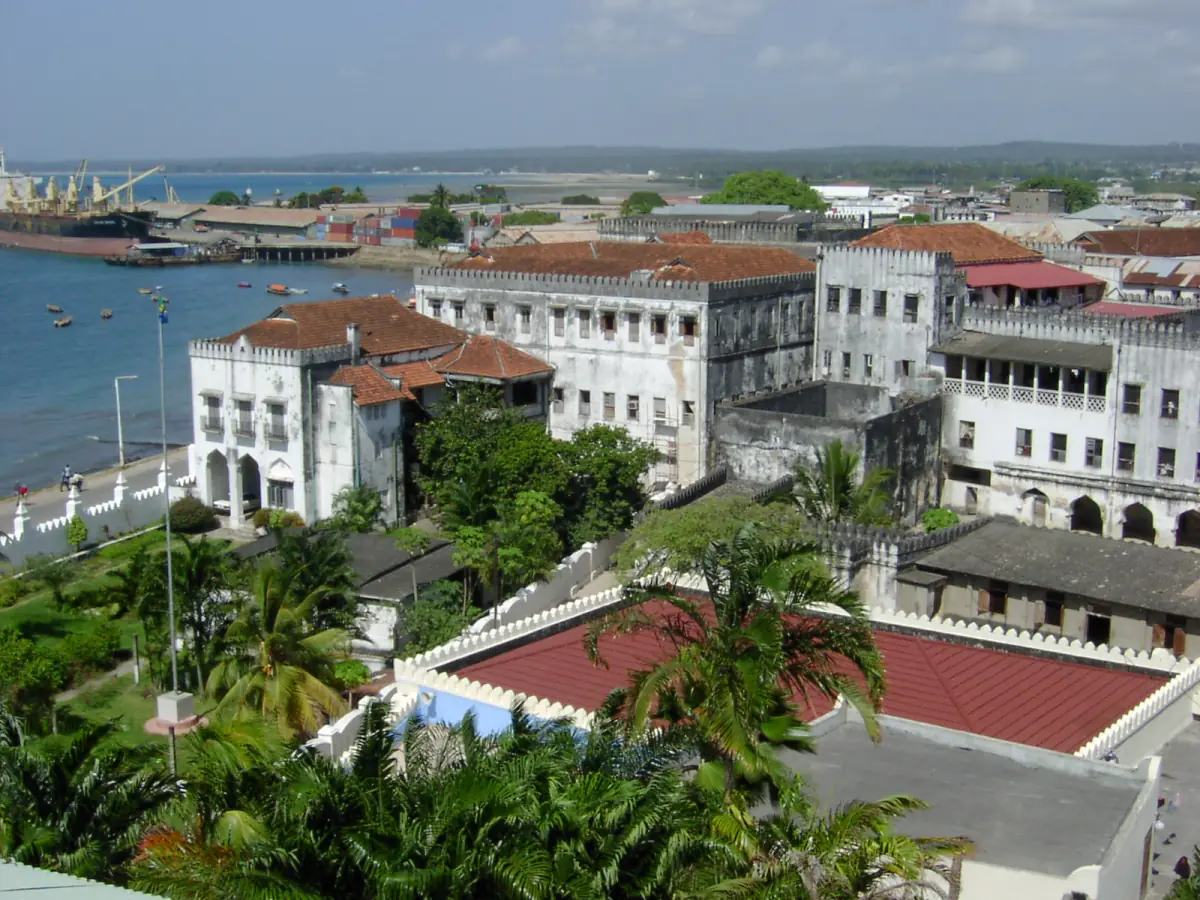
The history of Stone Town in brief
Stone Town, called Mji Mkongwe in Swahili, is the historic centre of Zanzibar City on the west coast of Unguja. Its character comes from long-distance sea trade between Africa and Asia, and from the mixing of cultures that trade brought. No single sultan founded the whole town. It grew over centuries, and the buildings you walk past today reflect Swahili, Arab, Indian and European influences.
Two chapters shape how the town looks and how it is remembered. One is the age of the Omani sultans, who built the palaces, the baths and the large stone houses. The other is the trade in enslaved people, which is part of the town's history and whose former market is now a place of remembrance. This page keeps both in view.
Key dates in the history of Stone Town
A short timeline of the main dates.
| Date | What happened |
|---|---|
| Early period | Stone Town develops through sea trade between Africa and Asia, with a Portuguese church standing where the Old Fort later rose |
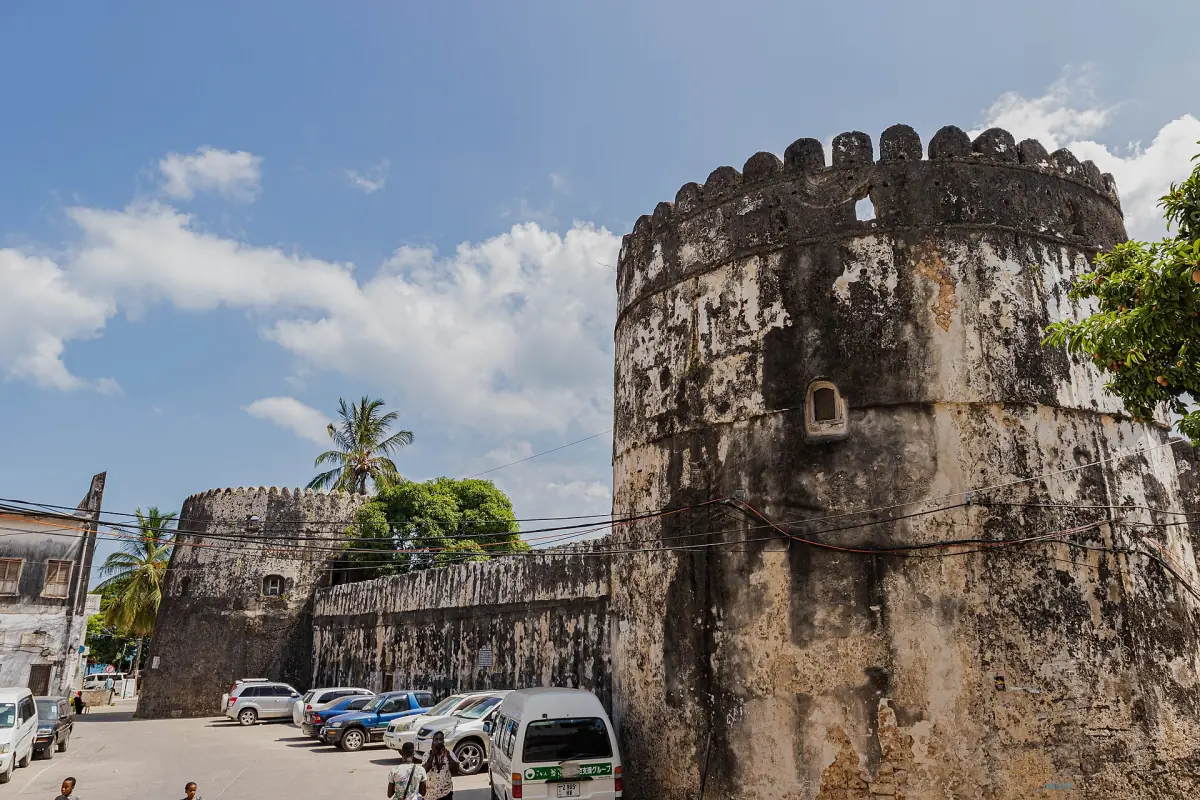
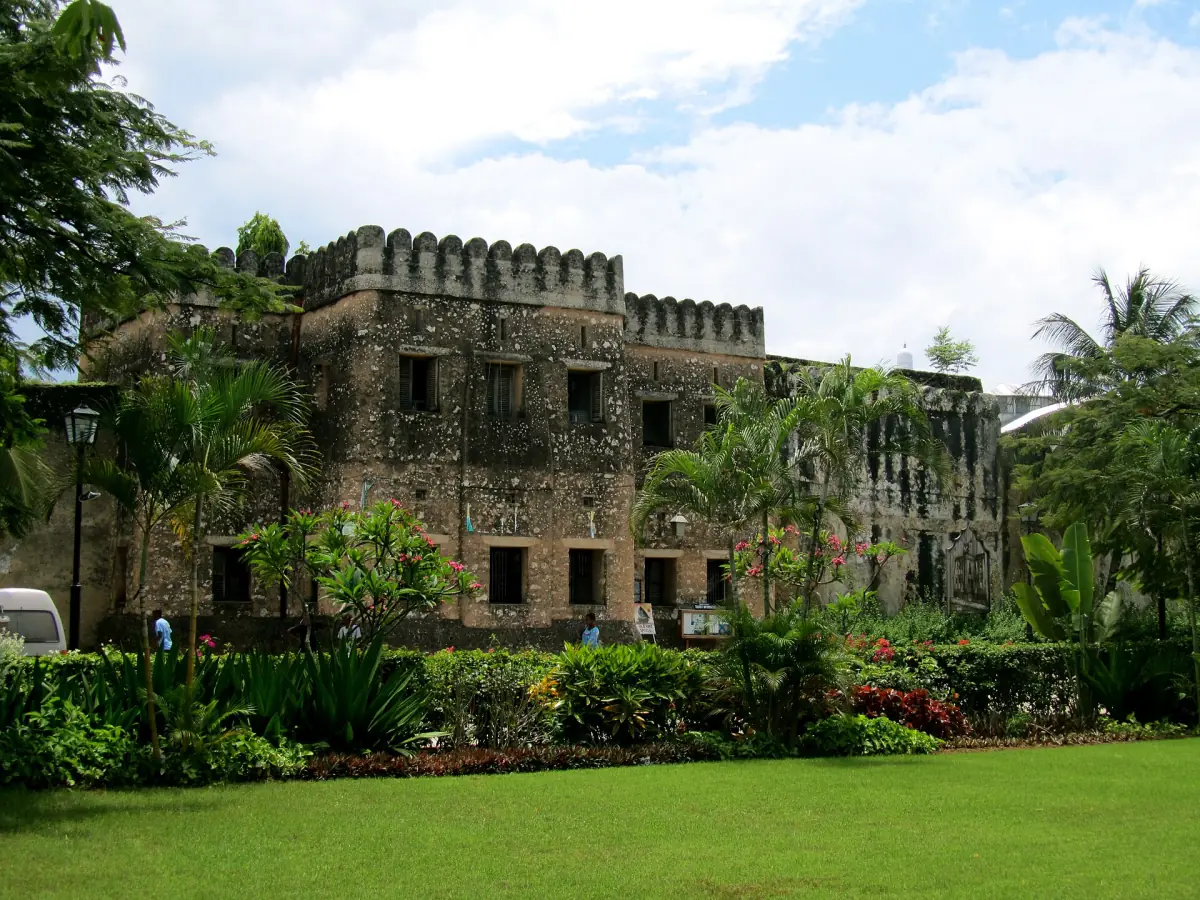
| 1699 to 1780 | The Old Fort is built, with foundations laid between 1699 and the early 1710s and the work completed in 1780 |
| 1832 to 1840 | The sultan moves his seat from Muscat to Zanzibar |
| 1870 to 1888 | Reign of Sultan Barghash, when the Hamamni baths are built |
| June 1873 | The slave market is closed |
| 25 December 1873 | Building of the cathedral begins on the site |
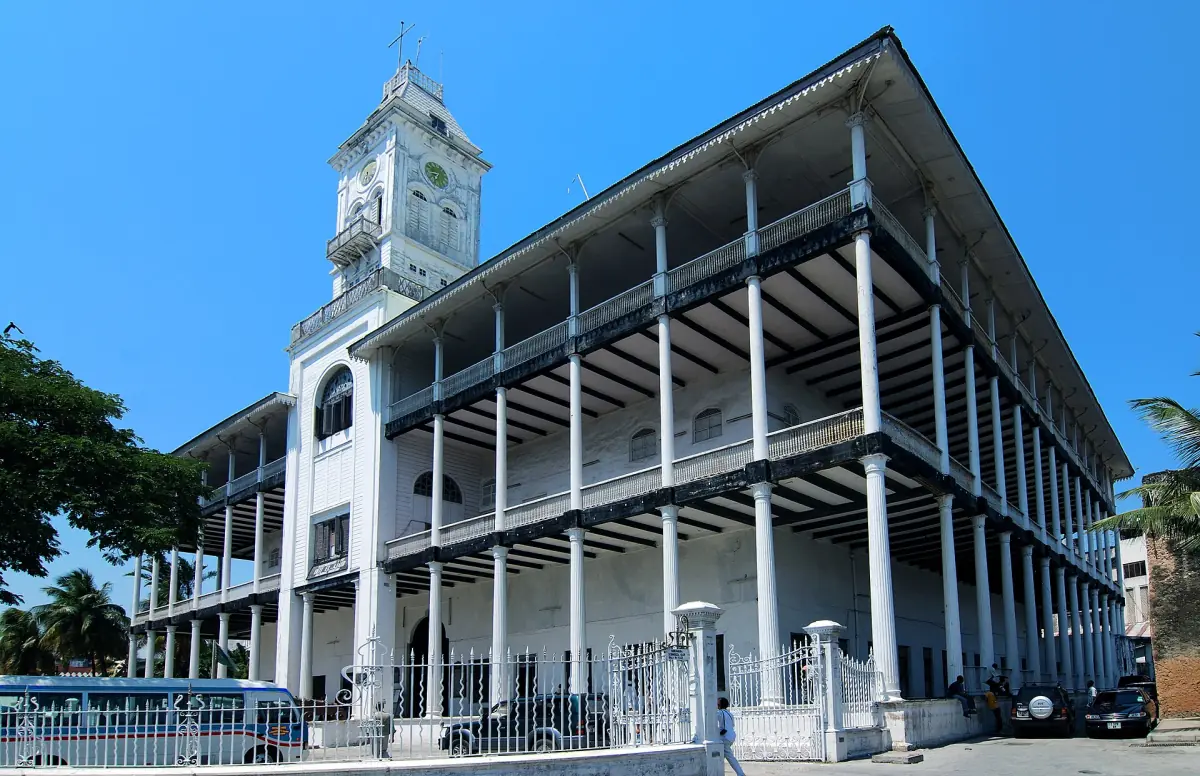
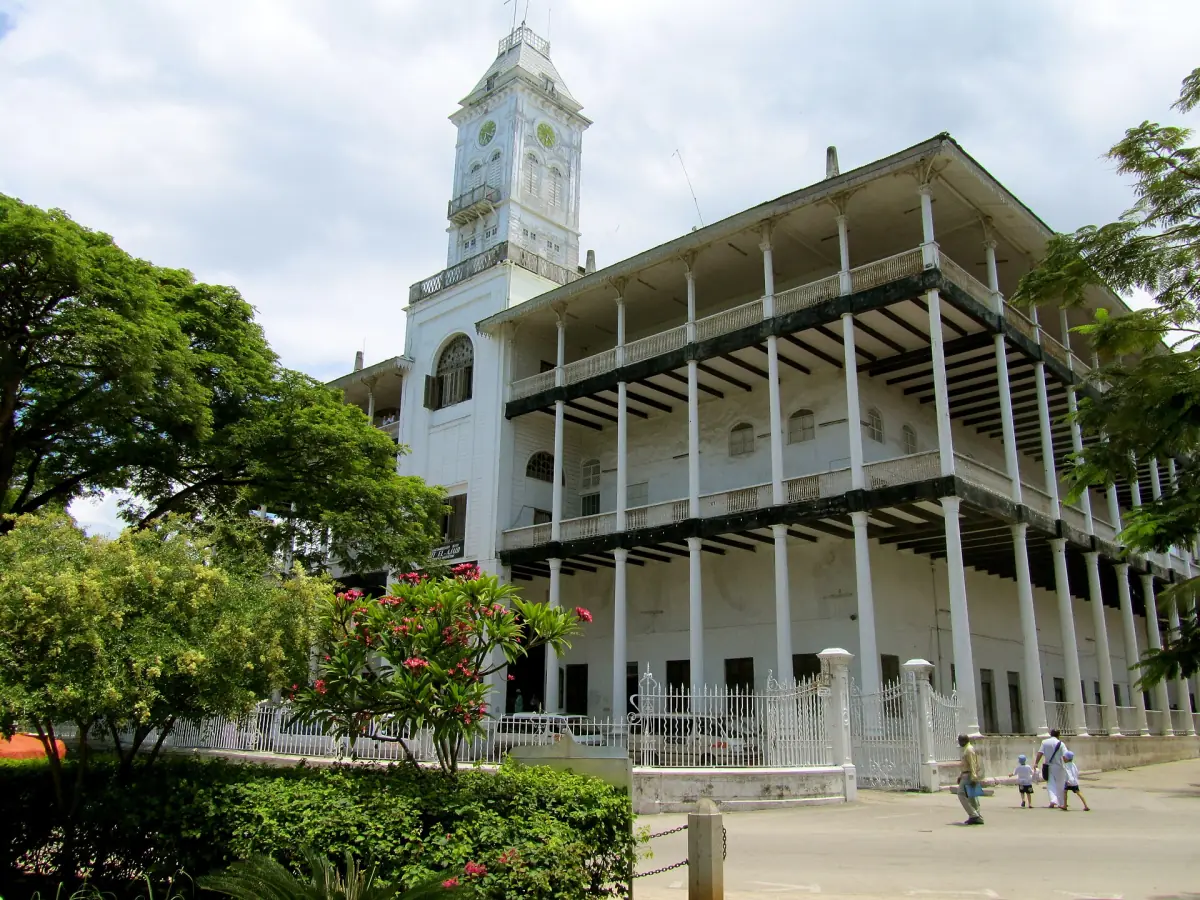
| 1883 | The House of Wonders is built for Sultan Barghash |
| 1890 | British protectorate |
| 1896 | A short war, with a bombardment usually described as lasting 45 minutes |
| 1964 | Revolution, and the union with Tanganyika into one republic |
| 2000 | Stone Town is inscribed on the World Heritage List |
| 25 December 2020 | Part of the House of Wonders collapses |
If you want to walk through this timeline, a guided route can link the fort, the House of Wonders, the former slave market and the old streets in two to three hours. See the Stone Town walking tours.
Our pick: a private walk through the old town
A guide who follows the town's story street by street.
Hand-picked tours, booked through GetYourGuide. Prices are indicative starting prices in US dollars (as of October 2026). Tap a tour for live availability and the current price in your currency.
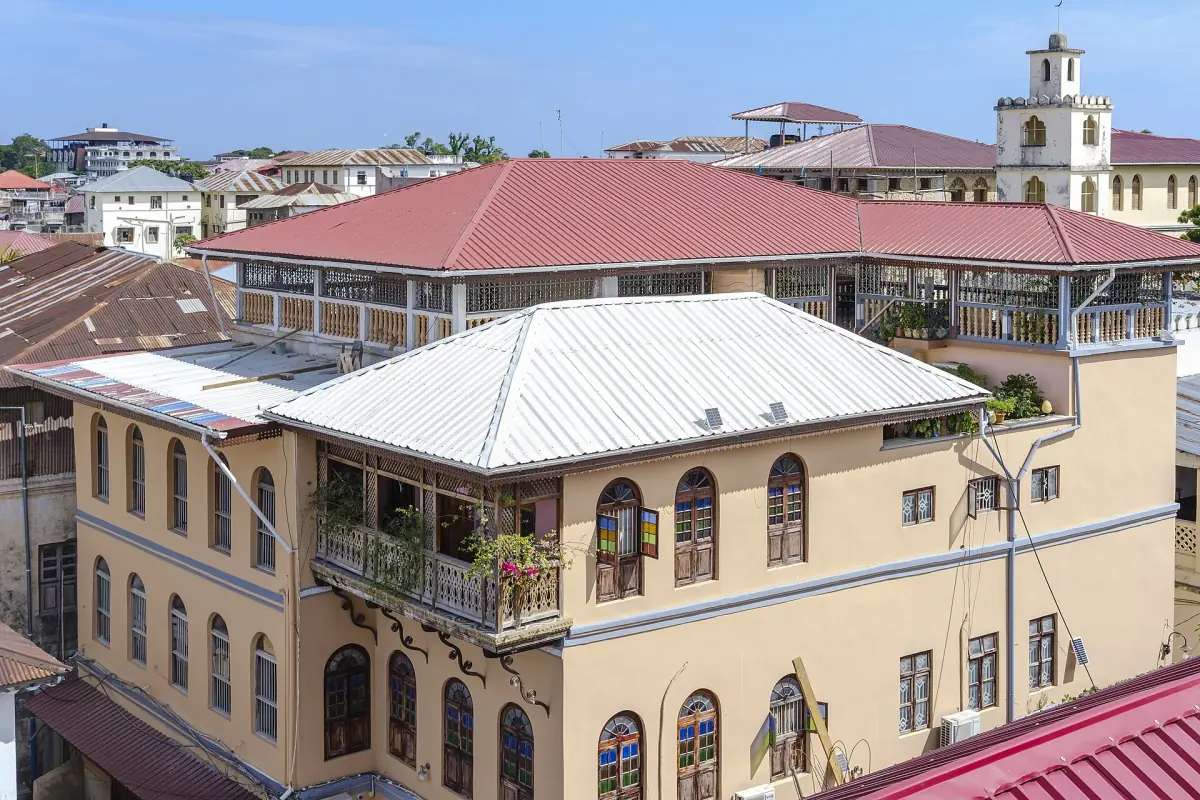
Stone Town history walks and day trips
Guided walks through the old town, Prison Island, spice farms and sandbank trips from Stone Town, with live prices and availability.
From Swahili trading town to Omani capital
Long-distance sea trade across the Indian Ocean linked Zanzibar with the coasts of Africa, Arabia and India for centuries. The Old Fort stands on the site of an earlier Portuguese church. Omani influence is strong in the houses and the layout of the old town, from the thick walls to the carved doors. The sultan's seat moved from Muscat to Zanzibar between 1832 and 1840.
The most active building period came under Sultan Barghash, who ruled from 1870 to 1888. The Hamamni baths date to his reign, and the House of Wonders was built in 1883 as a ceremonial building. It remains one of the landmarks of the waterfront, and its history continues today, as the partial collapse in 2020 and the restoration show.
For the stories behind the buildings, see the House of Wonders and the Old Fort.
The slave trade and the end of the market
Stone Town had a market where enslaved people were sold, and it was closed in June 1873. The site was bought in September 1873, and building of the cathedral began on 25 December 1873. The church was finished around 1880.
The closing of the market was not the end of slavery. It marked the end of one place where people were sold, and it is important not to read it as the end of the system in Zanzibar. Today the site holds a memorial and an active church, and visitors are asked to treat it with respect.
Our page on the former slave market explains what you can see there and how to visit with care.
Protectorate, war and revolution
Britain declared a protectorate over Zanzibar in 1890. In 1896 a short war followed, with a bombardment of about 45 minutes.
The revolution of 1964 changed the government of Zanzibar. In the same year Zanzibar and Tanganyika joined to form the United Republic. This page describes events briefly and does not take a side on today's politics.
Stone Town UNESCO World Heritage Site
Stone Town was inscribed on the World Heritage List in 2000 under three criteria (ii, iii and vi). The listed area covers 96 hectares, with a buffer zone of 84.79 hectares. These figures describe the protected core and the buffer, not the whole city and not the boundary of the modern town.
The Stone Town Conservation and Development Authority coordinates and oversees conservation, and individual monuments also fall under the museum and antiquities offices. In 2026 the site continues to face the question of how to restore old buildings, with work on the House of Wonders supported by Oman, and concern over larger changes at the Old Fort.
- Entry rules vary: each sight sets its own entry rules, so do not expect one ticket to cover the old town.
- Buildings are in use: many historic houses are homes and shops, so look from the lane and respect doors that are closed.
- Restoration takes time: some monuments are closed for work, and some are open only at certain times. Check before you go.
Places to see the history
Three stops that show different chapters.

Stone Town history: frequently asked questions
Who built Stone Town?
No single ruler built the whole town. It grew over centuries from sea trade between Africa and Asia, with Swahili, Omani, Indian and European influences. Sultan Barghash built many of its landmark buildings between 1870 and 1888.
When did the sultan move from Muscat to Zanzibar?
Between 1832 and 1840.
When was the slave market closed?
In June 1873. That was the end of one market, not the end of slavery in Zanzibar.
Why is Stone Town a World Heritage Site?
It was inscribed in 2000 under criteria ii, iii and vi for its long history of sea trade and cultural exchange, and for its historic buildings. The listed area is 96 hectares.
Is there one ticket for the historic sights?
Each sight sets its own entry rules, so do not expect one ticket to cover the old town. Some sights are closed for work, so check before you go.